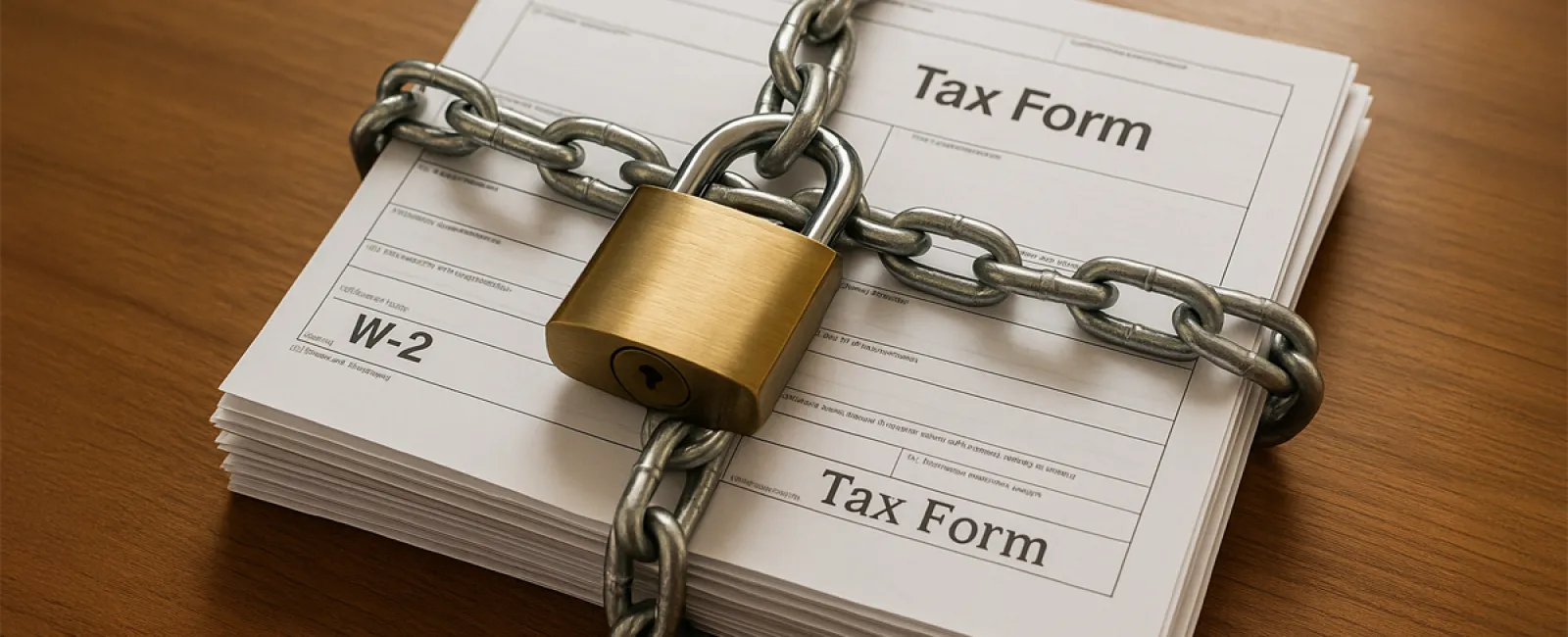
February is here, and tax season is in full swing. Your accountant is busier than ever, your bookkeeper is gathering paperwork, and everyone's focused on W-2s, 1099s, and looming deadlines.
But there's a hidden challenge no one marks on the calendar: the first real tax season headache often isn't a form, but a scam.
One of the earliest and most dangerous scams hits well before April—it's simple, convincing, and targets small businesses directly. Chances are, it's already sitting in someone's inbox.
Understanding the W-2 Scam: What You Need to Know
Here's how this scam unfolds:
A staff member—usually from payroll or HR—receives an email that appears to come from the CEO, owner, or a top executive.
The message is brief but urgent:
"I need the employee W-2 copies for a meeting with the accountant. Please send them ASAP—I'm overloaded today."
The request seems genuine. The tone matches expectations during the busy tax season, making the urgency believable and the ask reasonable.
So, the employee complies and sends the W-2 files.
But the email wasn't actually from the CEO. It was sent by a cybercriminal using a spoofed email address or a look-alike domain.
Now, the scammer holds every employee's:
• Full name
• Social Security number
• Residential address
• Salary details
All the information needed to commit identity theft and file fraudulent tax returns ahead of your staff.
What Happens When Your Business Falls Victim
How do victims typically discover the fraud?
Your employee tries to file their tax return and it's rejected with the message: "Return already filed for this Social Security number."
Someone else has already filed a return claiming their refund and collected the funds.
Your employee must then spend months dealing with the IRS, arranging credit monitoring, managing identity theft protection, and handling a heap of paperwork—all due to a document they never intended to share.
Multiply this scenario across your entire payroll. Now imagine breaking the news to your team that their sensitive data was compromised because someone fell for a convincing fake email.
This isn't merely a security breach—it's a loss of trust, an HR crisis, a potential legal issue, and a hit to your company's reputation.
Why This Scam Is So Effective
This scam doesn't look obviously fake like a stereotypical phishing email.
Here's why it succeeds:
The timing is perfect. Requests for W-2s are common in February—so it arouses little suspicion.
The ask is sensible. Unlike outrageous demands for wire transfers or gift cards, this is something your staff expects to handle.
The urgent tone feels natural. "I'm slammed today" sounds like typical busy-season pressure.
The sender's identity appears credible. Attackers research their targets thoroughly, know key executives' names, and sometimes even reference your accountant, making the email seem authentic.
Employees want to be helpful, especially to leadership. That urgency often trumps suspicion.
How to Shield Your Business from This Threat Now
Good news: this scam is avoidable. Success depends more on clear policies and company culture than on fancy technology.
Establish a strict "no W-2s over email" rule—no exceptions. Protect sensitive payroll info by never sending it as email attachments, no matter who asks.
Always verify sensitive requests through a different channel—call, in-person, or chat. Use contact details you already have, not those in the suspicious message. This quick step can prevent months of recovery work.
Hold a brief team meeting now. Don't wait. Warn payroll and HR staff about the surge in tax scams, share warning signs, and explain exactly how to respond. Awareness is the easiest, most cost-effective defense.
Secure all payroll and HR systems with multi-factor authentication (MFA). Even if credentials are stolen, MFA blocks unauthorized access.
Cultivate a culture that welcomes verification. Employees who double-check suspicious requests should be applauded rather than criticized. When questioning is encouraged, scammers struggle to succeed.
These five simple strategies are straightforward to implement immediately and powerful enough to stop scams in their tracks.
The Wider Scope of Tax Season Threats
The W-2 scam is just the beginning.
Between now and April, expect an onslaught of tax-related scams including:
• Fraudulent IRS notices demanding urgent payment
• Phishing emails disguised as tax software updates
• Spoofed messages from "your accountant" containing malicious links
• Fake invoices crafted to look like legitimate tax expenses
Cybercriminals exploit tax season because everyone is rushed and financial requests no longer seem out of place.
Businesses that emerge unscathed aren't lucky—they're prepared.
They enforce clear policies, provide staff training, and deploy systems that spot fraudulent requests before disaster strikes.
Prepare Your Business Today
If you already have security policies and your team knows the warning signs, you're ahead of most small businesses.
If you don't, now is the crucial time to act—not after you've been hit.
To get started, schedule a 15-minute Tax Season Security Check.
We'll evaluate:
• Payroll/HR system access controls and MFA
• Your W-2 handling and verification procedures
• Email protections that identify and block spoofing
• The key policy update most businesses overlook
And if this doesn't currently apply to you, please share this information with any business owner who might benefit. It could save them an expensive headache.
Click here or give us a call at (858) 538-4729 to schedule your free Consultation.
Because tax season is already stressful enough—don't let identity theft make it worse.