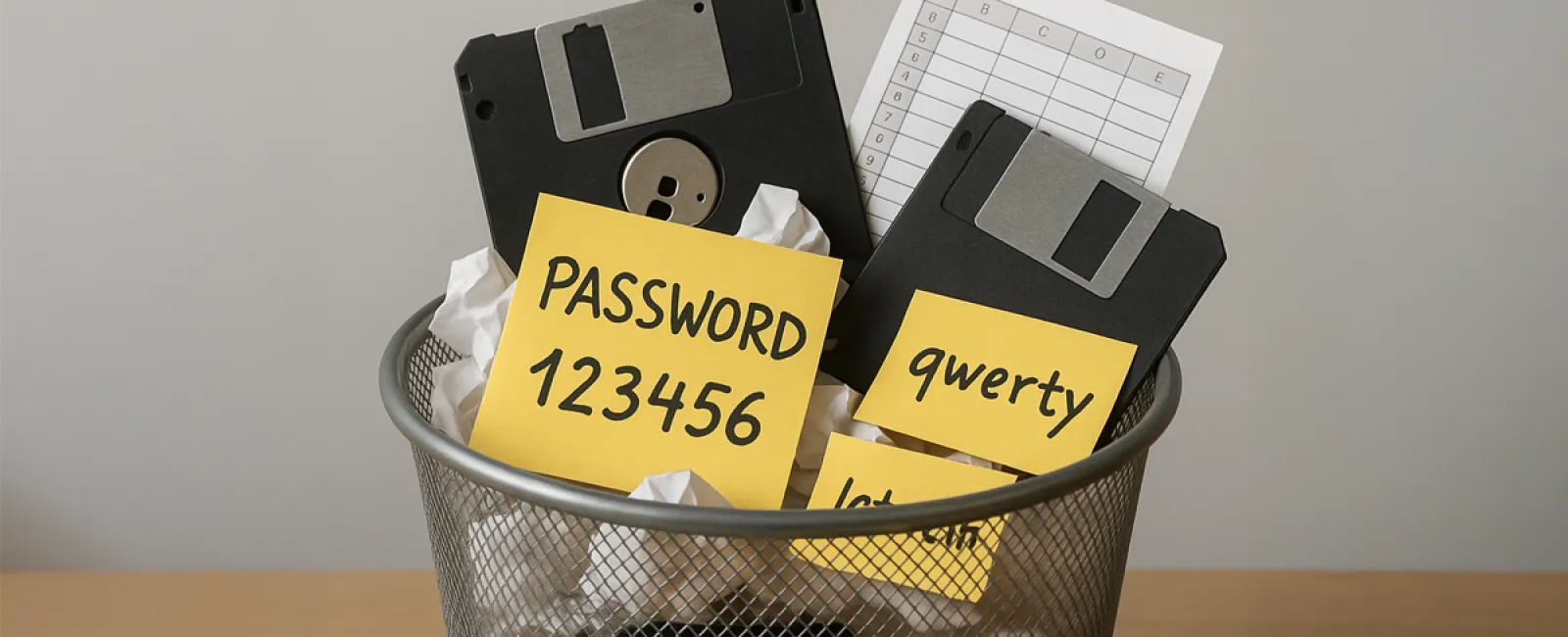
Right now, millions are embracing Dry January — giving up alcohol to boost their wellbeing, productivity, and stop postponing positive change.
Your business has its own "Dry January" list — a collection of tech habits that drain efficiency and expose risks.
These habits are obvious to everyone: risky shortcuts we cling to because "it's manageable" and "we're too busy." But, like bad drinking habits, these tech routines can cause major damage.
It's time to quit these six harmful tech habits outright — and adopt smarter alternatives.
Habit #1: Snoozing Software Updates
That "Remind Me Later" button may seem harmless but it invites cyber threats right into your business.
Updates don't just add features; they often seal security gaps hackers actively target.
Ignoring updates for days or weeks leaves your systems exposed — just like the massive WannaCry ransomware attack that exploited a flaw patched months prior. Billions lost worldwide, all because updates were deferred.
Change this habit: Plan updates for off-hours or allow your IT team to deploy them silently. No interruptions. No vulnerabilities left open.
Habit #2: Using One Password Everywhere
We all have that go-to password: meets requirements, easy to recall, used across every account—email, bank, shopping, even old forums.
Unfortunately, those seemingly secure passwords are regularly exposed in breaches. Hackers collect leaked credentials and try them everywhere, unlocking your sensitive accounts effortlessly.
This technique, known as credential stuffing, is behind countless security breaches. Your favorite password might be your biggest risk.
Fix it now: Adopt a trusted password manager like LastPass, 1Password, or Bitwarden. Remember one master password, and let it create unique, complex passwords for every login, ensuring your accounts remain safe.
Habit #3: Sharing Passwords Over Emails or Messages
Sending passwords via Slack, email, or text seems quick and simple — problem solved in seconds.
But these messages linger forever—inboxes, cloud backups, searchable archives. A single compromised email account can expose every shared password, putting your entire business at risk.
It's like mailing your house key with the address on it.
Better approach: Use password managers with secure sharing features. Recipients get access without seeing the password, and you can revoke permissions anytime. If you must share manually, never send full credentials in one message and change passwords immediately after.
Habit #4: Giving Everyone Admin Access for Convenience
In a hurry, you've probably made someone an admin just to get software installed or settings changed — an easy shortcut that's now way too common.
Admin rights mean full control: installing software, disabling security, altering crucial settings, deleting files — and if those credentials are stolen, hackers can wreak havoc.
Ransomware especially targets admin accounts for fast, extensive damage.
Smart move: Apply the principle of least privilege — assign only the access necessary for each person's tasks. It may take extra minutes to set permissions properly, but this tiny effort protects you from costly breaches and accidental disasters.
Habit #5: Letting Temporary Workarounds Become Permanent
When something breaks, we invent quick fixes with promises to "do it right later." Often, "later" never comes.
These workarounds add extra steps, frustrate teams, and degrade productivity over time.
More dangerously, they rely on fragile conditions—specific software versions or employees who remember quirks—leading to sudden breakdowns when change inevitably happens.
Take action: List all your workarounds and let professionals help replace them with reliable, streamlined solutions. Say goodbye to frustration and wasted time.
Habit #6: Running Your Business on a Complex Spreadsheet
Every business has "that" spreadsheet: dozens of tabs, complicated formulas known by few, sometimes by no one currently on staff.
If the file corrupts or the expert leaves, what's your backup? This spreadsheet is a ticking time bomb disguised as your business backbone.
Spreadsheets lack audit trails, scale poorly, offer no user controls, and risks hidden data loss.
Upgrade your systems: Document the business processes tied to the spreadsheet and migrate them to specialized tools—CRM for customers, inventory software, scheduling apps—that include backups, audits, and secure access. Spreadsheets are powerful tools but poor business platforms.
Why These Tech Habits Persist
You're aware these habits aren't ideal. The real culprit? Time pressure and invisibility of risks.
- Risks remain unseen until disaster strikes — like password reuse working fine until a breach.
- The correct approach feels slower upfront, like setting up password managers, but prevents costly consequences.
- When everyone shares risky habits, they feel normal and go unquestioned.
Dry January succeeds because it forces awareness and breaks autopilot behavior.
How to Break Bad Tech Habits Effortlessly
Willpower alone won't change your tech habits — your environment must change to make good choices easier.
Here's how top businesses fix habits:
- Deploy company-wide password managers to eliminate unsafe sharing.
- Automate updates, removing the "Remind Me Later" option.
- Centralize permission controls to avoid unnecessary admin access.
- Replace fragile workarounds with dependable, documented solutions.
- Migrate critical spreadsheets to specialized, secure platforms.
The right way becomes the easiest way. Risky habits fade into the background.
This is where a skilled IT partner adds value — they don't just advise, they transform your systems to make security and efficiency automatic.
Ready to Break the Harmful Habits Holding Your Business Back?
Schedule your Bad Habit Audit now.
In just 15 minutes, we'll assess your unique challenges and craft a clear plan to eliminate these tech pitfalls permanently.
No pressure. No jargon. Just a smoother, safer, and more profitable 2026.
Click here or give us a call at (858) 538-4729 to book your Consultation.
Some habits are worth quitting cold turkey — and there's no better time than January to start.