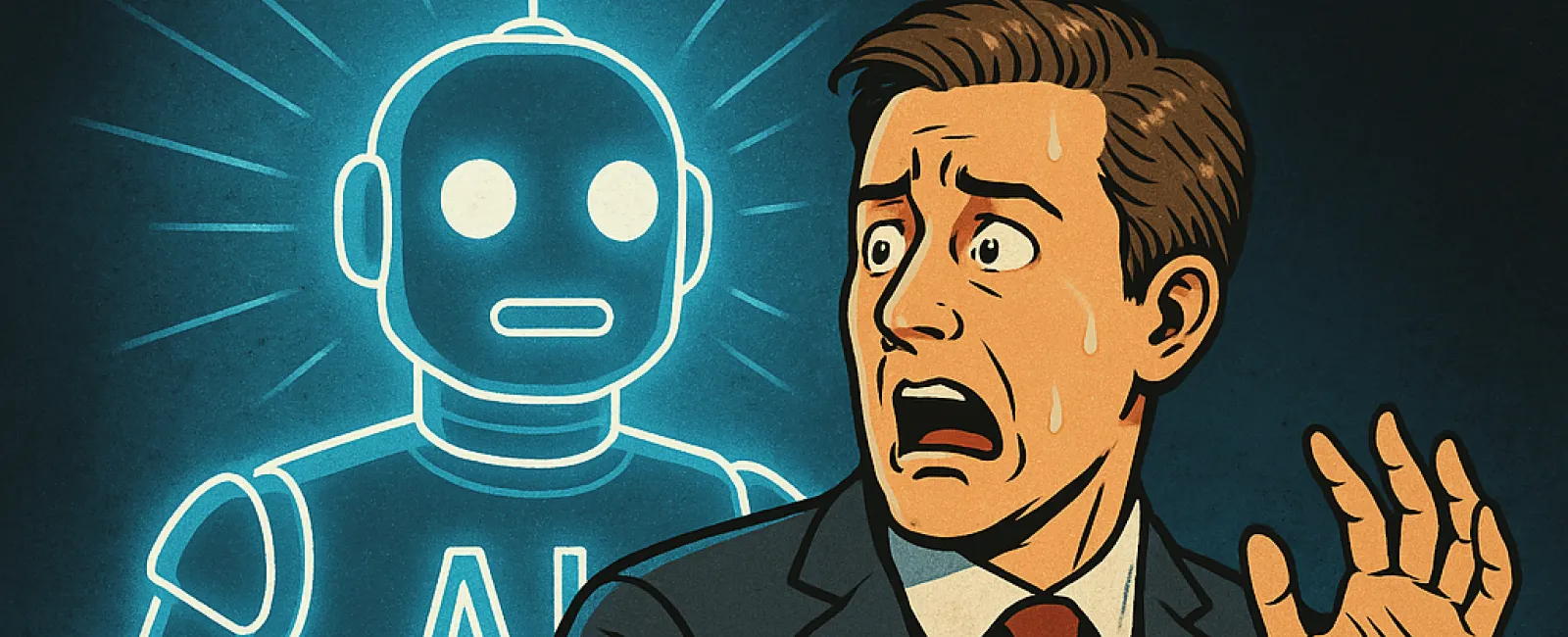
The rapid evolution of AI is revolutionizing business operations, opening doors to innovative possibilities. However, this technology also empowers cybercriminals, equally equipped with AI tools. Let's illuminate some of the hidden digital threats you should be aware of.
Beware of Doppelgängers in Your Video Calls: The Rising Danger of Deepfakes
Deepfake technology, powered by AI, has become alarmingly realistic. Cyber attackers exploit this to craft deception-filled social engineering tactics targeting businesses.
For instance, a security company recently documented an event where an employee at a cryptocurrency organization encountered multiple deepfake images of top executives during a Zoom meeting. These deceptive figures persuaded the employee to download a Zoom extension, compromising microphone access and paving the way for a North Korean cyberattack.
This new wave of scams seriously disrupts traditional verification methods. To protect your business, watch for signs such as unnatural facial features, awkward pauses, or inconsistent lighting in video conferences.
Phishing Emails Get Smarter: How to Stay One Step Ahead
Phishing has long been a cybersecurity threat, but with AI now crafting convincing emails, typical red flags like poor grammar or typos no longer reliably indicate fraud.
Moreover, attackers use AI-powered tools to translate phishing emails and landing pages into multiple languages, enabling larger, more effective attack campaigns.
Nonetheless, robust security measures continue to be effective. Implementing multifactor authentication (MFA) significantly reduces risk by requiring additional verification beyond just passwords. Employee training remains critical to recognize urgent or suspicious requests that may indicate phishing attempts.
Malicious AI Tools: Why Fake AI Software is More Than It Seems
Cybercriminals leverage AI's popularity, enticing users to download malicious software disguised as trendy AI tools. These fake applications often contain harmful malware beneath seemingly genuine features.
For example, a TikTok account promoted "cracked software" to circumvent licensing for apps like ChatGPT via PowerShell scripts, but this was actually a malware distribution operation exposed by cybersecurity experts.
Protect your business by relying on security training and consulting your managed service provider (MSP) to vet new AI tools before incorporating them.
Let Us Help You Protect Your Business from AI-Driven Threats
Don't let AI-related cyber threats disrupt your peace of mind. Although hackers are getting more sophisticated, implementing the right safeguards can keep your business secure against deepfakes, phishing, and fraudulent AI software.Click here or give us a call at (858) 538-4729 to schedule your free Consultation today and let's talk through how to protect your team from the scary side of AI ... before it becomes a real problem.